Trang thông tin chính thức về các hoạt động, chương trình Khóa lễ, cùng kho tàng đạo lý, kinh tụng, bài giảng và âm nhạc Phật Pháp
Trang thông tin chính thức về các hoạt động, chương trình Khóa lễ, cùng kho tàng đạo lý, kinh tụng, bài giảng và âm nhạc Phật Pháp
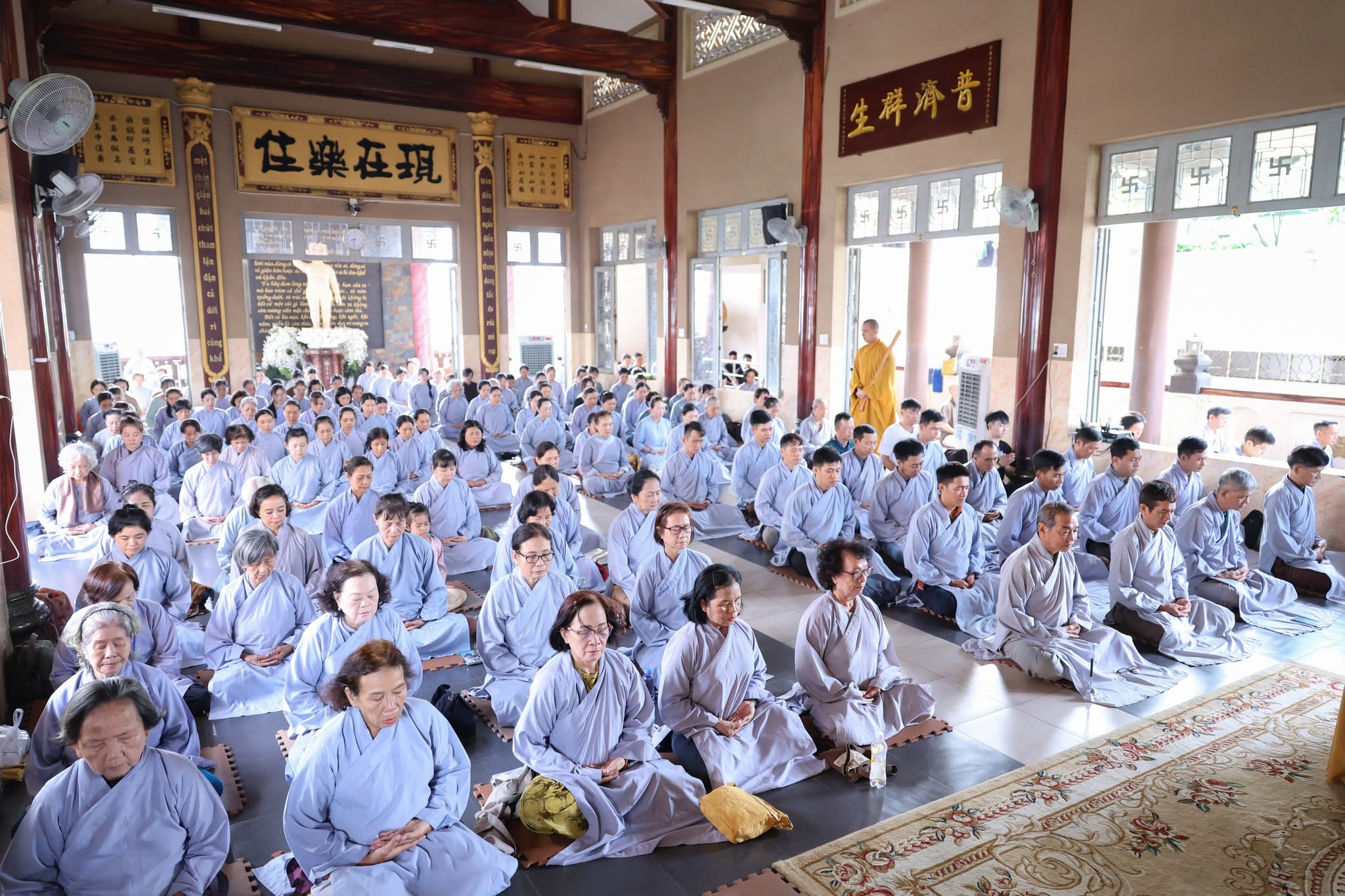
Từ chiều ngày 02/10/2026, quý Phật tử gần xa đã trở về chùa Từ Tân (90/153 Trường Chinh, Phường Bảy Hiền, TP. Hồ Chí Minh) để tham dự khóa thiền diễn ra từ ngày 02 đến 04/10/2026.
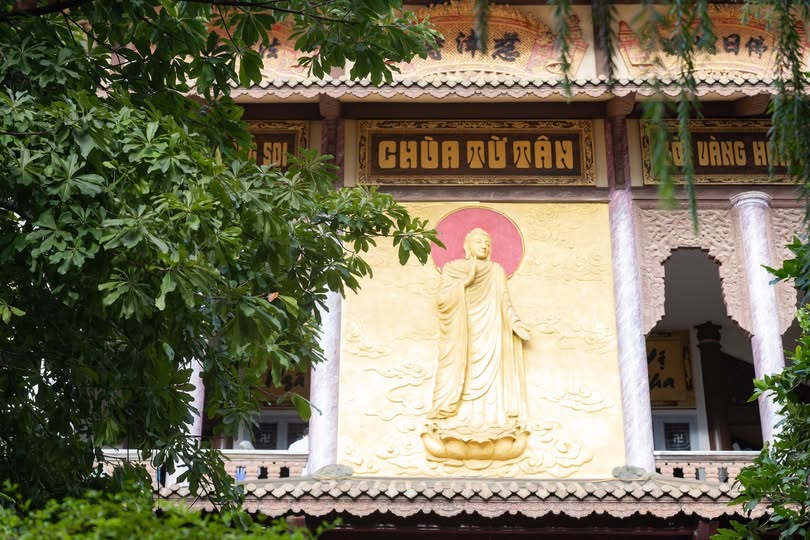
Giữa những bộn bề lo toan, giữa những ồn ào náo nhiệt, vội vã của cuộc sống, có một nơi để chúng ta tìm về, lắng tâm trong thiền định, an tịnh nội tâm và nhìn lại chính mình.
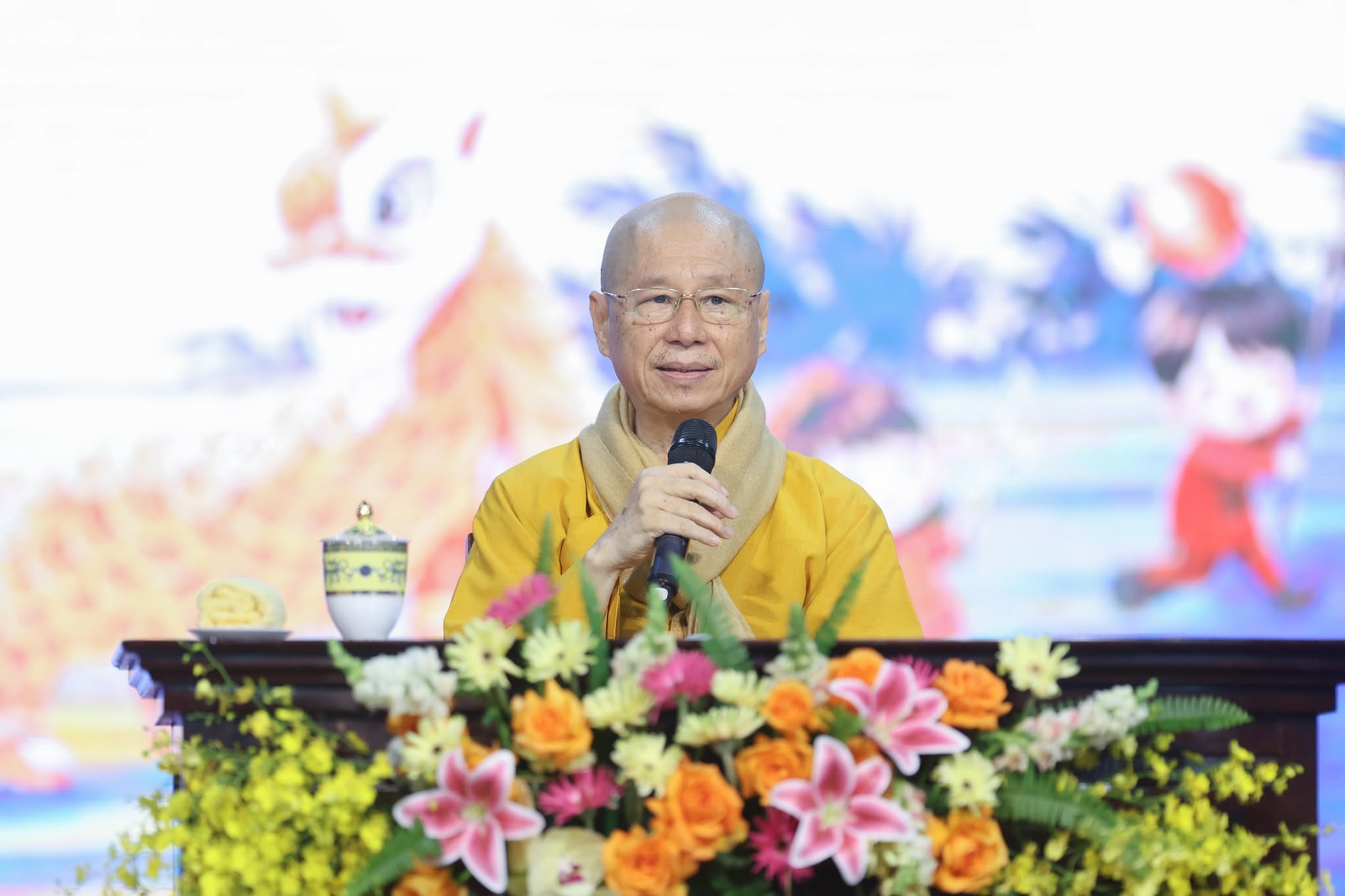
Một mùa trung thu nữa lại về, mang theo ánh trăng dịu dàng và những niềm vui giản dị nơi núi rừng Chùa Phật Quang
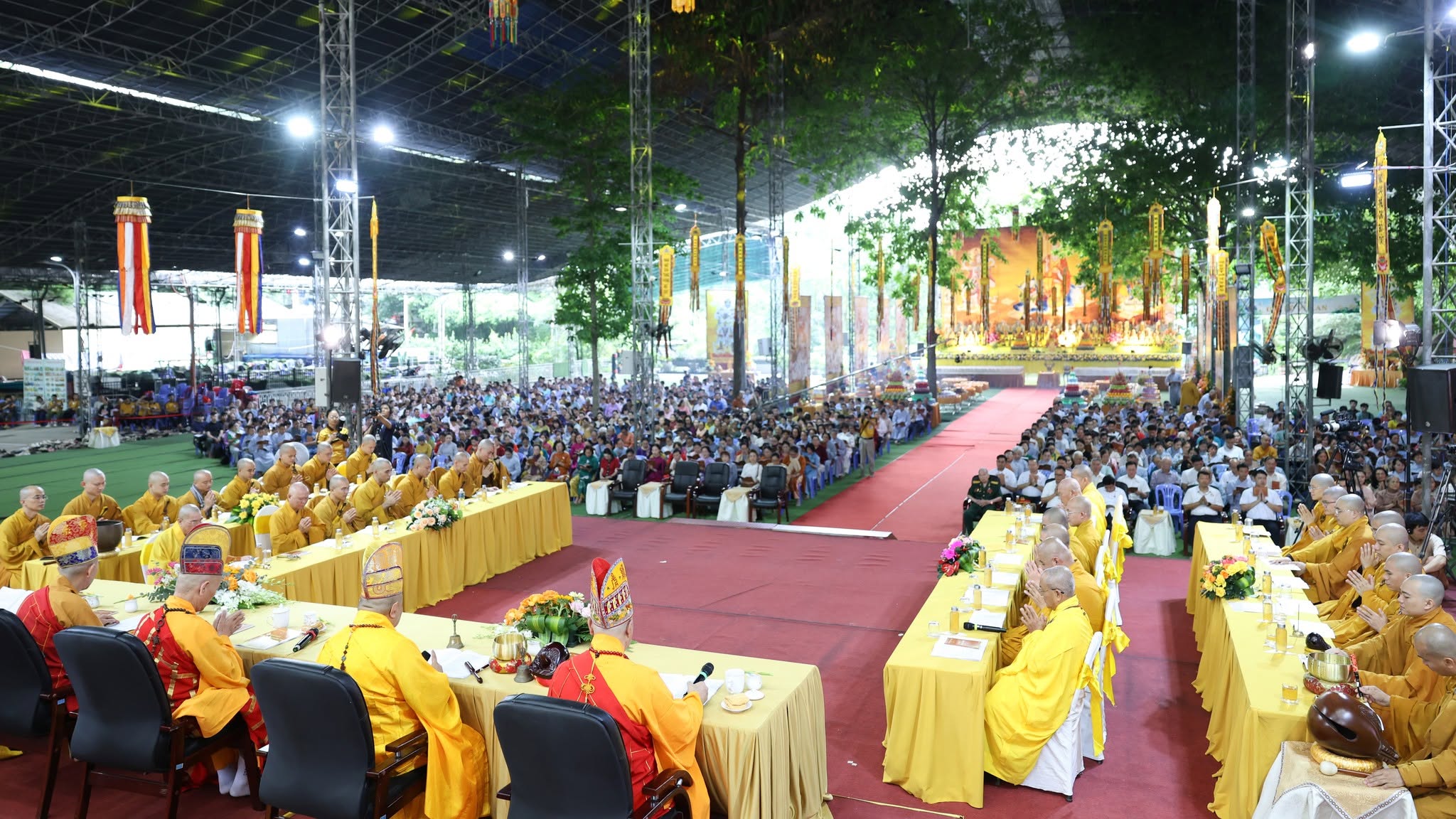
Chiều ngày 25/9/2026, nhằm ngày Rằm tháng Tám năm Bính Ngọ, tại Chùa Phật Quang - khu phố Chu Hải, phường Tân Hải, TP. Hồ Chí Minh, Lễ cầu siêu - Trai đàn chẩn tế đã diễn ra trang nghiêm, thành kính với sự tham gia của đông đảo quý Phật tử gần xa.
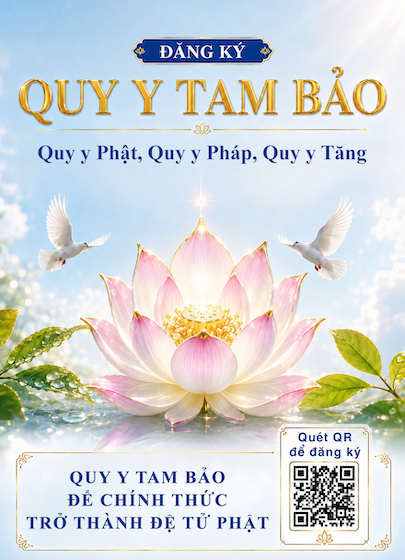
Tôn kính Phật tuyệt đối, từ bi thương yêu muôn loài, khiêm hạ xem mình như bụi đất, thiền định hướng về mục tiêu vô ngã
Tôn kính Phật, hiếu kính cha mẹ, tôn trọng thầy cô, thương yêu muôn loài, khiêm hạ, sống vì nhân loại mến yêu
Nền tảng căn bảnDấn thân hy sinh phụng sự giúp đỡ mọi người mọi loài bằng tất cả khả năng của mình
Hoạt động công quảChỉ Quán - kỹ thuật dụng công và suy gẫm đạo lý. An định nội tâm hướng đến vô ngã giác ngộ
Hướng dẫn thực hành
Chia sẻ những góc nhìn sâu sắc về cuộc sống, đạo đức và con đường tu tập
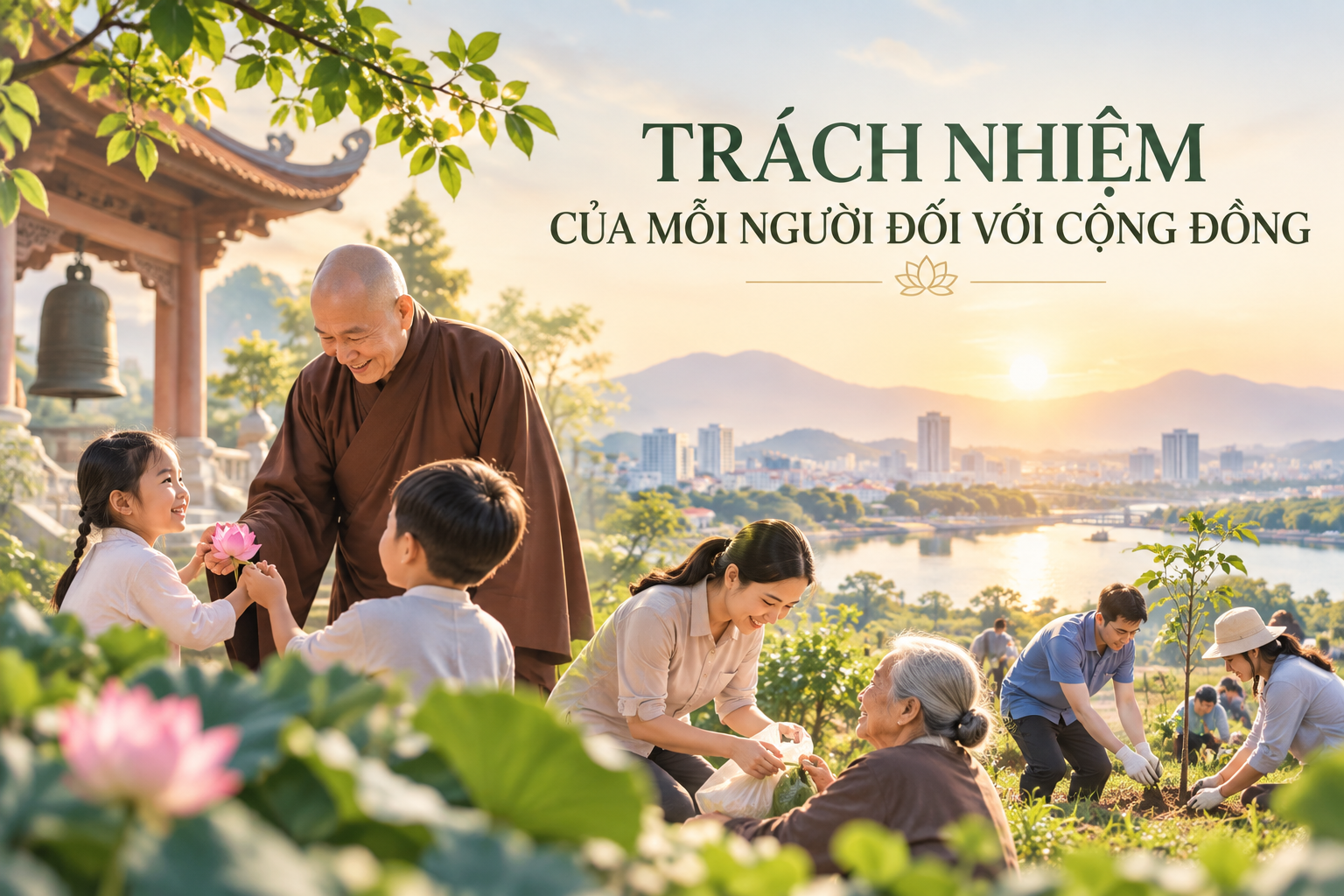
Đạo đức là nền tảng cho sự tồn tại của cộng đồng xã hội. Con người có đạo đức sẽ tạo nên sự liên kết vững bền với nhau. Có đạo đức, con người có niềm tin với nhau. Có niềm tin với nhau, con người sẽ yên tâm sống, làm việc, học tập, phấn đấu, ước mơ, tu dưỡng. Có niềm tin với nhau, con người có thể hợp tác với nhau để xây dựng cuộc sống tốt đẹp hơn.
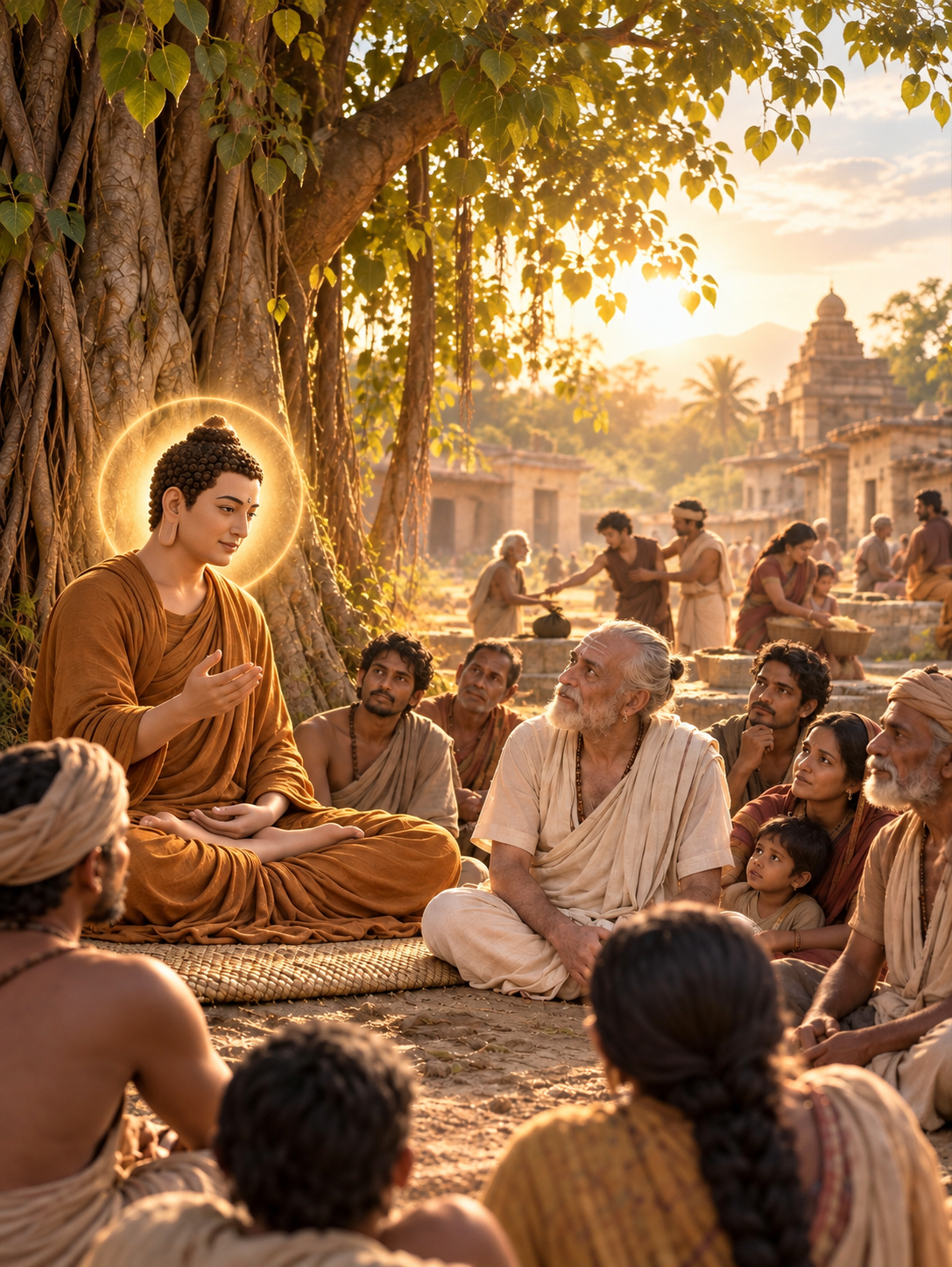
Một Bà La Môn hỏi Phật “Có một ai không phải đạo Phật đã được sinh Thiên chưa?” Đức Phật trả lời “Chín mươi mốt kiếp qua, ta chưa từng thấy một ngoại đạo nào được sinh Thiên, chỉ trừ một người, vì người này hay tuyên giảng về Nghiệp Báo.”
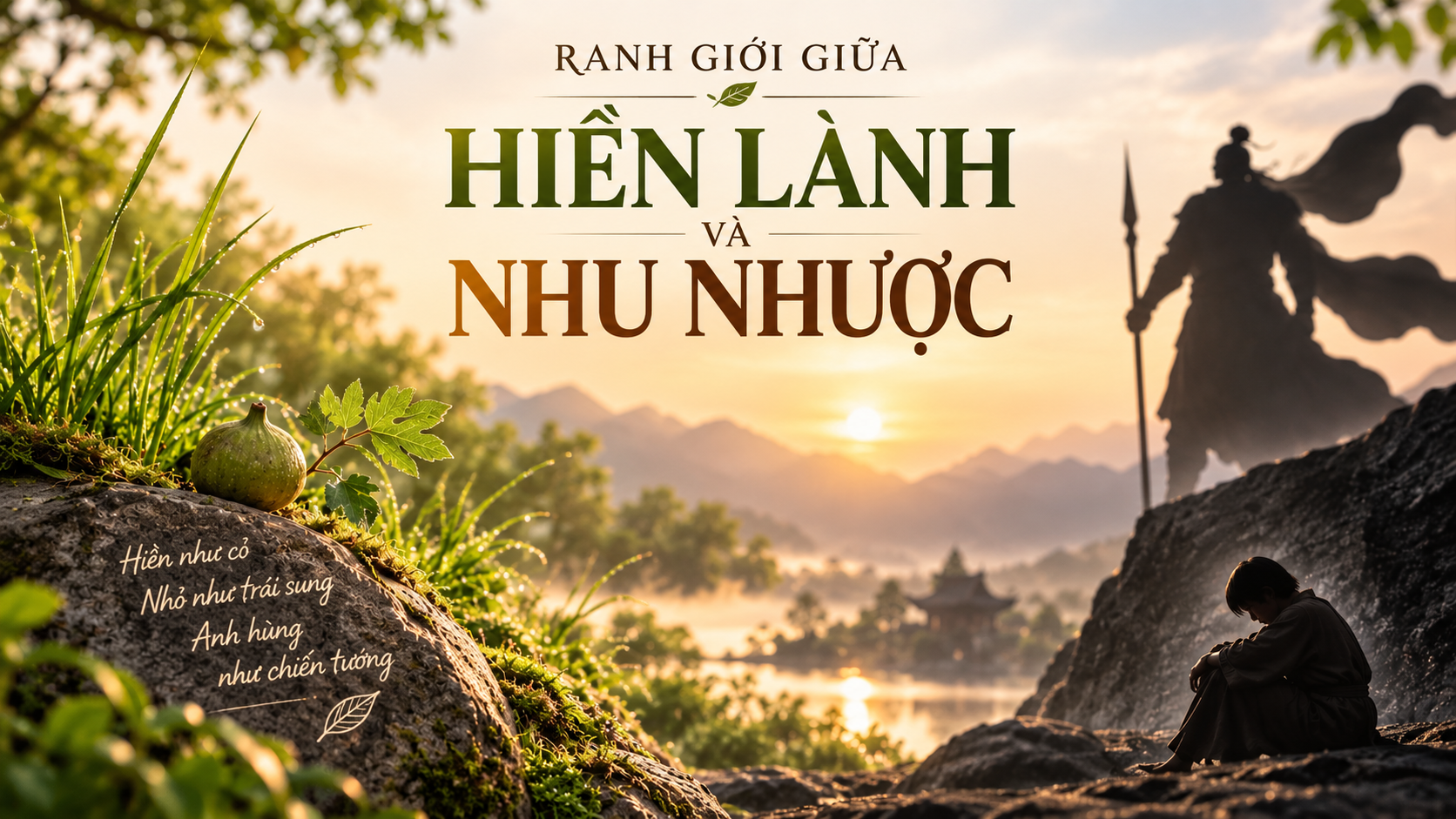
Thông thường, sự hiền lành dễ làm ta trở nên nhu nhược. Nhiều người cứ nhắm cái hiền lành mà tu mãi rồi trở thành nhu nhược lúc nào không hay. Thấy chuyện sai trái của người khác không dám lên tiếng vì sợ mất lòng, thấy người vô tội bị ức hiếp cũng không dám bênh vực. Và như vậy, tâm hồn người này đã bị gãy phân nửa rồi.
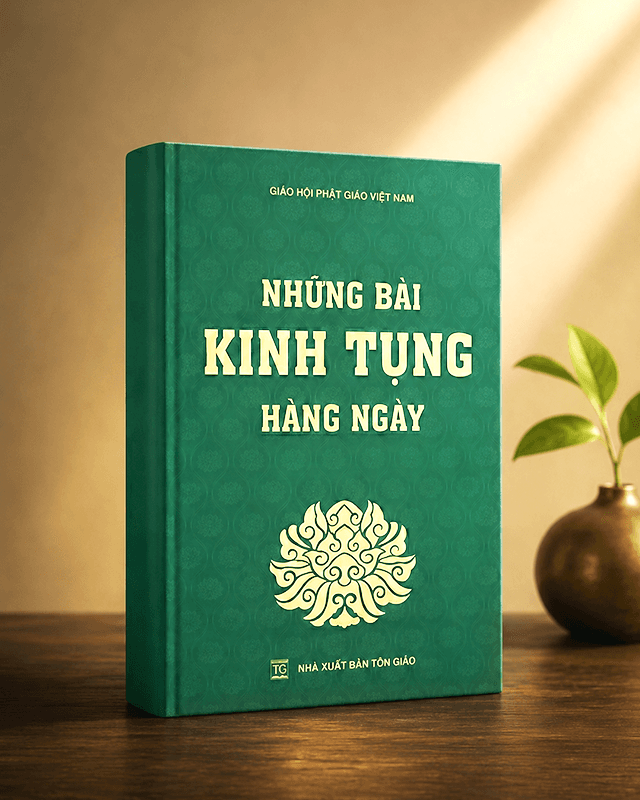
Tổng hợp các nghi thức cúng lễ hằng ngày và các nghi thức đặc biệt, giúp mỗi thời lễ được cử hành trang nghiêm, thành kính và trọn vẹn ý nghĩa.
XEM TẤT CẢ →Nơi lưu giữ tinh hoa trí tuệ qua những trang sách, khai mở tâm hồn và dẫn lối đến bến bờ giác ngộ.

Khi mình thành công trong bất cứ việc gì, cũng đừng tự hào. Vì theo nhân quả, tự hào về điều gì thì điều đó sẽ mất đi. Khi thành công, chớ khởi tâm kiêu mạn vì thầm cho mình tài giỏi hơn người, chính là hành ý tự đốt phước của mình.
Những giai điệu nâng dậy tâm hồn, lan tỏa đạo lý, kết nguồn yêu thương
Nơi giải đáp giáo lý, ứng dụng giáo pháp vào mọi lĩnh vực của đời sống.
THẾ NÀO LÀ NGƯỜI ĐẠO ĐỨC?
Đó là người tin hiểu Nhân quả sâu sắc Đó là người không sống vì mình, cả đời chỉ tìm cách đem lợi ích cho mọi người, lợi ích đó bao gồm từ vật chất, đến tinh thần, đến tâm linh giác ngộ Đó là người luôn cố gắng tìm thấy lỗi mình để sửa chữa Đó là người xuất hiện ở đâu liền tạo ra ảnh hưởng tốt đẹp, gây cảm hứng cho mọi người về một cộng đồng biết yêu thương lẫn nhau Đó là người đóng góp cho văn hóa xã hội nhiều điều đẹp đẽ Người nước ngoài sẽ tìm đến học hỏi nơi đất nước có đạo đức như thế
XEM GIẢI ĐÁP →Nhiều người làm việc vất vả cả đời vẫn không giàu được là do đâu?
Nhiều người làm việc vất vả cả đời vẫn không giàu được, chỉ bởi vì người này không có số giàu sang. Còn người có số giàu sang, sau một thời gian làm việc chăm chỉ sẽ có được tài sản dồi dào, vì họ có số giàu. Người miền trung có câu ca dao thấm thía: "Cây khô có nhúng nước rồi cũng khô Phận nghèo trốn đi đến chỗ mô cũng nghèo" Thế thì ai quy định cái số phận giàu nghèo cho mỗi con người chúng ta? Đó chính là Luật Nhân Quả Nghiệp Báo. Chính ta đã chọn số phận giàu nghèo cho mình từ kiếp trước khi ta chọn lựa sống vị tha hay ích kỷ. Sống vị tha rất vất vả, nặng lòng, tốn thời gian, tốn sức lực, tốn tiền bạc. Nhưng sau đó ta bị đưa vào danh sách những kẻ có số phận giàu sang. Còn sống ích kỷ thì thoải mái, dễ chịu, nhẹ nhàng, vô tư, rồi ta được xếp vào danh sách những người nghèo khổ. Ta quyết định lấy số phận của mình. Bây giờ muốn giàu sang, xin vui lòng dành thời gian làm phước cái đã, giúp người từng chút một, sau vài năm may mắn đến đừng hưởng, lấy nguồn lực ra làm phước tiếp, rồi cơ hội lớn hơn lại đến, cũng đừng hưởng, lấy nguồn lực đó làm phước nữa... Cho đến khi nào đạo đức của ta đã đến giới hạn, không còn muốn làm phước nữa, không còn muốn nâng đẳng cấp mình lên nữa, đủ rồi, thì bắt đầu hưởng thụ ăn chơi hống hách kiêu căng cho hết phước. Hết phước khổ quá thì chịu khó làm phước trở lại...
XEM GIẢI ĐÁP →Sống Khôn Ngoan là sao?
Mỗi ngày ta đều thụ hưởng tài nguyên của trời đất, của xã hội, đều ăn uống, tiêu xài, ở trong nhà, đi trên đường, hít thở không khí... Ta buộc phải suy nghĩ về những gì ta cống hiến trở lại cho xã hội, cho trời đất. Nếu sự cống hiến của ta nhiều hơn phần ta thụ hưởng, ta có phần dư ra gọi là PHƯỚC. Nếu sự cống hiến của ta ít hơn so với phần ta thụ hưởng, ta bị nợ gọi là KÉM PHƯỚC. Còn ta gây tổn hại cho đời thì đương nhiên ta bị TỘI. Chỉ những người có trí tuệ, có đạo đức, mỗi ngày đều cân đo đong đếm tội phước của mình chứ không khờ dại chỉ biết hưởng thụ để rồi cạn phước tan vỡ cả cuộc đời. Ta quan sát cuộc sống sẽ thấy có những người ít cống hiến, sẽ bị thiếu phước; có những người lười nhác không cống hiến gì, chẳng bao lâu cạn sạch phước rồi chết bờ chết bụi đâu đó không ai quan tâm; có những người hay phá hại gây tổn thất cho đời, quả báo đến đau khổ cùng cực; có những người siêng năng tử tế biết cống hiến giúp đỡ, sau này cuộc đời vượt lên phi thường... Cũng có những giai đoạn cuộc đời ta không đủ năng lực để cống hiến như khi còn bé thơ, hoặc đã già yếu, đó là lúc ta vay mượn phước để sống. Hiểu như thế, khi có điều kiện để cống hiến, ta phải hết sức cố gắng cống hiến cho đời, tiếc từng giây phút, đừng phí thời gian công sức vui chơi hưởng thụ mà sau này... "cứ vui chơi cho hết đời trai trẻ, rồi sau này lặng lẽ đạp xích lô". Bây giờ chẳng có xích lô mà đạp nữa, bị cấm hết rồi. Tóm lại, sống khôn ngoan là cống hiến dựng xây đem lợi ích, đem đạo đức, đem đạo lý cho cuộc đời, không để một ngày nào trôi qua mà không làm được điều gì tốt đẹp.
XEM GIẢI ĐÁP →HỎI: Làm sao cân bằng giữa Đạo và Đời?
ĐÁP: Không bao giờ ta bình yên khi chia đôi Đạo và Đời. Ta chỉ có một con đường duy nhất là hiểu đạo lý sâu sắc và áp dụng đạo lý vào mọi khía cạnh của cuộc đời, bởi vì đạo lý chính là cách để sống trong đời. Càng hiểu đạo, ta càng xử lý mọi việc trong đời khéo hơn, hợp lý hơn, khôn ngoan hơn. Đạo cho ta mọi cách lý giải về con người và cuộc đời. Ví dụ, đạo dạy ta thương yêu mọi người, nhưng đạo lý cũng cảnh báo ta rằng chúng sinh chưa đắc đạo thì ai cũng còn tham sân si, nên ta yêu mọi người chứ không phải tin mọi người. Triết lý đó vừa khôn ngoan vừa đạo đức. Hoặc ta tất bật làm lụng kiếm sống, đạo lý dạy ta biết làm phước ngay trong công việc của mình chứ không phải bỏ việc để đi làm phúc. Hoặc ta phải chia thời gian để thăm viếng người thân, đó là vì đạo lý dạy ta phải biết an ủi cho mọi người bớt cảm giác cô đơn, chứ không phải ta gượng gạo thăm viếng để khỏi bị chê trách. Nói chung, ta hiểu đạo lý rất sâu sắc và đem đạo lý áp dụng vào đời sống hoàn toàn, chứ không phải chia đôi nửa đời nửa đạo.
XEM GIẢI ĐÁP →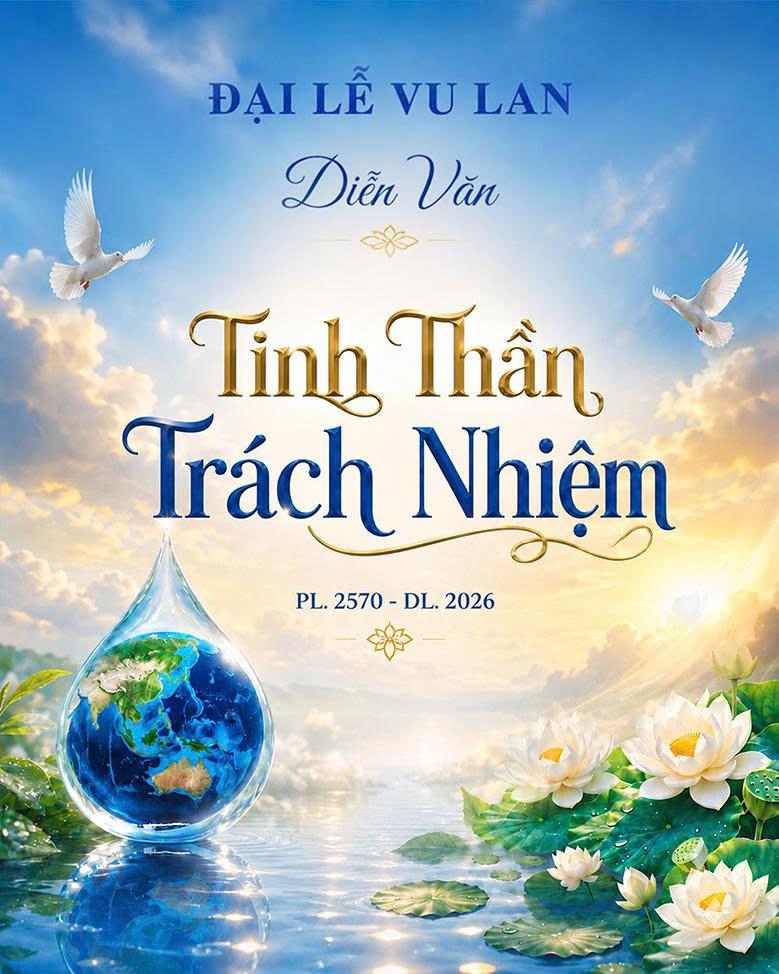
Lễ hội - Nghi lễ · 28/8/2026
NỘI DUNG
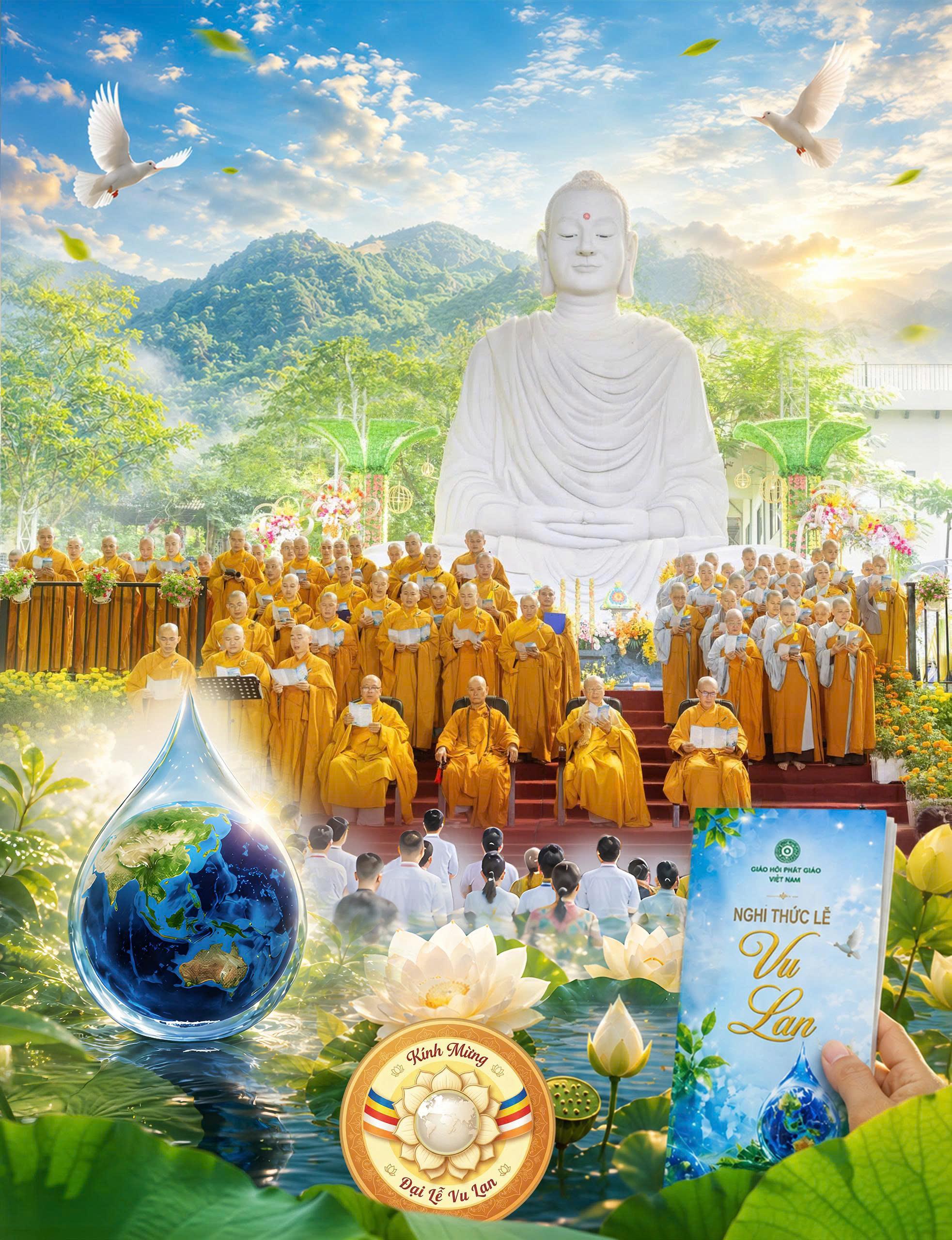
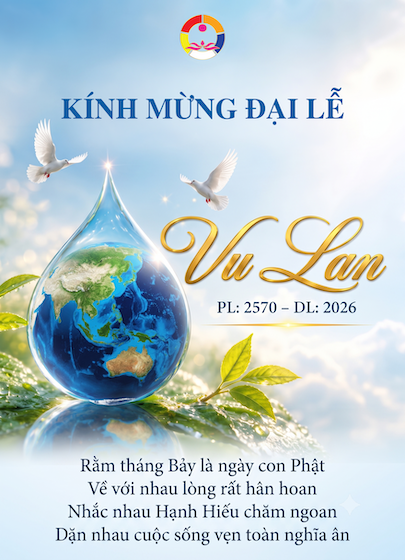
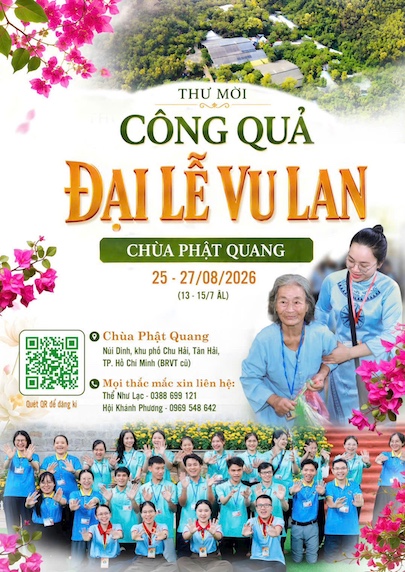
Kính bạch chư Tôn đức, kính thưa quý Phật tử Đại lễ Vu lan trong Phật giáo có một ý nghĩa rất quan trọng đối với người tu Phật. Nhiều người tu tập thiền định, có kết quả, đều bị đi qua một giai đoạn thụ động, mà Phật gọi là một thượng phần kiết sử bị gọi tên Giải đãi. Rồi vì để biện minh cho tâm lý thụ động của mình, nhiều vị đã tự sáng tạo ra lý luận về việc không cần làm thiện, không cần làm ác, không cần làm gì cả, và gieo rắc tà kiến đó kéo dài suốt nhiều nghìn năm qua. Tà kiến do định sinh này khiến nhiều người tu Phật bị lười biếng thụ động vô trách nhiệm với cuộc đời mà cứ tưởng mình cao siêu.